WEARABLE TECHNOLOGY
INTRODUCTION

Wearable technology, wearables, fashionable technology, wearable devices, tech togs,or fashion electronics are smart electronic devices that can be incorporated into clothing or worn on the body as implants or accessories.
Wearable devices such as activity trackers are best example of the internet of things, since "things" such as electronics, software, sensors, and connectivity are effectors that enable objects to exchange data through the internet with a manufacture,operator, without requiring human intervention.
COMMON EXAMPLES OF WEARABLE GADGETS

Smartwatches, smart-glasses, ID wristbands, activity tracking devices, GPS devices, simulators, car remotes, pacemakers, and fashion accessories (e.g., smart rings, tie cameras, bracelets). However, the application of this tech extends beyond these spheres.
This blog gives briefly description about smart watches
Introduction of smartwatches

A smartwatch is a portable device that's designed to be worn on a wrist. Smart watches - like smart phones - use touchscreens, offer apps, and often record your heart rate and other vital signs. A smart watch is a wearable computing device that closely resembles a wristwatch or other time keeping device.
HISTORY
History Depending on the definition used for" technology", the first wearable technology can be traced back as far as the 13th century, when eyeglasses were invented. Later, in the 16th century, the earliest portable and wearable clocks, Nuremberg eggs, were invented.
History of smart watches
Foundation (1880) :- Mechanical wrist watches established.
Imagination (1940) :- Couldn't a watch do much more ?
Electronification (1970) :- quartz watches revolutionize the industry.
Experimentation (1990) :- 1st smartwatches, but no commercial success.
Commercialization (2010) :- smartwatches start to cell.
USE OF SMART WATCHES
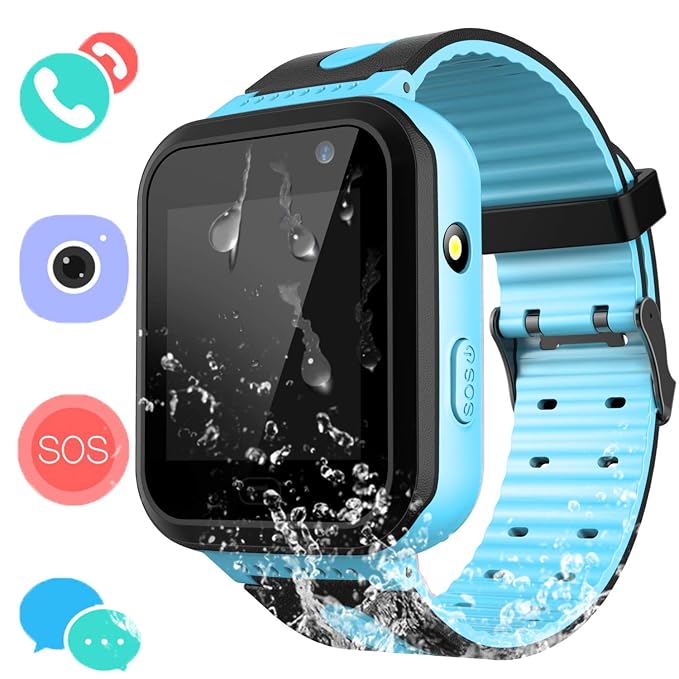
In China, since around 2015, smart watches have become widely used by schoolchildren. They are advertised on television throughout the country as a safety device whereby the child can call in case of emergency. The devices are commonly colorful and made of plastic. They normally have no display unless a button is pushed. These smartwatches have limited capability compared to other smartwatches, their main functions consist of being able to conduct calls, displaying of time, and sometimes have air temperature sensitivity. They cost around $100 to US$200.
FUTURE OF SMART WATCHES

Smart watches are the future of smartphones
Smart watches can do everything a phone can do in a more practical way; can make the smartphone a secondary device.
The current generation Apple Watches are incredibly capable wearables. They can show you messages,emails, play music, receive calls and get notifications from your social media feeds. In fact, an Apple Watch is basically an extension of your iphone on your wrist.
The point is that the current smart watches are already potent devices. All they would need is an innovative interface to raise its productivity to another level. With Internet connectivity, the smart watch will be perform all the necessary activities in an informative interface.With one of these, all you would need a smart phone will be a secondary gadget that displays your desired content on a comparatively bigger screen. You would no longer rely on a bulky metallic slab to check notifications every time you feel the need to.
In the future, smart watches could house potent hardware to house foldable displays or even holographic displays to show more in a smaller form factor. All of these technological additions can make the smart watch a device that will eventually make the smartphone irrelevant to rather obsolete.
INTRODUCTION
Wearable technology, wearables, fashionable technology, wearable devices, tech togs,or fashion electronics are smart electronic devices that can be incorporated into clothing or worn on the body as implants or accessories.
Wearable devices such as activity trackers are best example of the internet of things, since "things" such as electronics, software, sensors, and connectivity are effectors that enable objects to exchange data through the internet with a manufacture,operator, without requiring human intervention.
COMMON EXAMPLES OF WEARABLE GADGETS
Smartwatches, smart-glasses, ID wristbands, activity tracking devices, GPS devices, simulators, car remotes, pacemakers, and fashion accessories (e.g., smart rings, tie cameras, bracelets). However, the application of this tech extends beyond these spheres.
This blog gives briefly description about smart watches
Introduction of smartwatches
A smartwatch is a portable device that's designed to be worn on a wrist. Smart watches - like smart phones - use touchscreens, offer apps, and often record your heart rate and other vital signs. A smart watch is a wearable computing device that closely resembles a wristwatch or other time keeping device.
HISTORY
History Depending on the definition used for" technology", the first wearable technology can be traced back as far as the 13th century, when eyeglasses were invented. Later, in the 16th century, the earliest portable and wearable clocks, Nuremberg eggs, were invented.
History of smart watches
Foundation (1880) :- Mechanical wrist watches established.
Imagination (1940) :- Couldn't a watch do much more ?
Electronification (1970) :- quartz watches revolutionize the industry.
Experimentation (1990) :- 1st smartwatches, but no commercial success.
Commercialization (2010) :- smartwatches start to cell.
USE OF SMART WATCHES
In China, since around 2015, smart watches have become widely used by schoolchildren. They are advertised on television throughout the country as a safety device whereby the child can call in case of emergency. The devices are commonly colorful and made of plastic. They normally have no display unless a button is pushed. These smartwatches have limited capability compared to other smartwatches, their main functions consist of being able to conduct calls, displaying of time, and sometimes have air temperature sensitivity. They cost around $100 to US$200.
FUTURE OF SMART WATCHES

Smart watches are the future of smartphones
Smart watches can do everything a phone can do in a more practical way; can make the smartphone a secondary device.
The current generation Apple Watches are incredibly capable wearables. They can show you messages,emails, play music, receive calls and get notifications from your social media feeds. In fact, an Apple Watch is basically an extension of your iphone on your wrist.
The point is that the current smart watches are already potent devices. All they would need is an innovative interface to raise its productivity to another level. With Internet connectivity, the smart watch will be perform all the necessary activities in an informative interface.With one of these, all you would need a smart phone will be a secondary gadget that displays your desired content on a comparatively bigger screen. You would no longer rely on a bulky metallic slab to check notifications every time you feel the need to.
In the future, smart watches could house potent hardware to house foldable displays or even holographic displays to show more in a smaller form factor. All of these technological additions can make the smart watch a device that will eventually make the smartphone irrelevant to rather obsolete.

No comments:
Post a Comment