IMPLANTABLE TECHNOLOGY
INTRODUCTION

Implantable technologies sense parameters of various diseases and can either transfer data to a remote center, direct the patient to take a specific action, or automatically perform a function based on what the sensors are reading.
IMPLANT (MEDICINE)
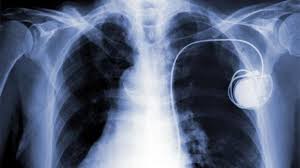
An implant is a medical device manufactured to replace a missing biological structure, support a damaged biological structure, or enhance an existing biological structure. Medical implants are man-made devices, in contrast to a transplant, which is a transplanted biomedical tissue. The surface of implants that contact the body might be made of a biomedical material such as titanium, silicone, or apatite depending on what is the most functional. In some cases implants contain electronics e.g. artificial pacemaker and cochlear implants. Some implants are bioactive, such as subcutaneous drug delivery devices in the form of implantable pills or drug-eluting stents.
CLASSIFICATION OF MEDICAL DEVICES
Medical devices are classified by the US Food and Drug Administration (FDA) under three different classes depending on the risks the medical device may impose on the user.
APPLICATIONS
Implants can roughly be categorized into groups by application:

INTRODUCTION
Implantable technologies sense parameters of various diseases and can either transfer data to a remote center, direct the patient to take a specific action, or automatically perform a function based on what the sensors are reading.
IMPLANT (MEDICINE)
An implant is a medical device manufactured to replace a missing biological structure, support a damaged biological structure, or enhance an existing biological structure. Medical implants are man-made devices, in contrast to a transplant, which is a transplanted biomedical tissue. The surface of implants that contact the body might be made of a biomedical material such as titanium, silicone, or apatite depending on what is the most functional. In some cases implants contain electronics e.g. artificial pacemaker and cochlear implants. Some implants are bioactive, such as subcutaneous drug delivery devices in the form of implantable pills or drug-eluting stents.
CLASSIFICATION OF MEDICAL DEVICES
Medical devices are classified by the US Food and Drug Administration (FDA) under three different classes depending on the risks the medical device may impose on the user.
- CLASS 1 DEVICE:- class 1 devices are considered to pose the least amount of risk to the user and require the least amount of control. Class 1 devices include simple devices such as arm slings and hand-held surgical instruments.
- CLASS 2 DEVICE:- Class 2 devices are considered to need more regulation than class 1 devices and are required to undergo specific requirements before FDA approval. Class 2 devices include X-ray system and physiological monitors.
- CLASS 3 DEVICE:- class 3 devices require the most regulatory controls since the device supports or sustains human life or may not be well tested. Class 3 devices include replacement heart valves and implanted cerebellar stimulators. Many implants typically fall under class 2 and class 3 devices.
APPLICATIONS
Implants can roughly be categorized into groups by application:
- SENSORY AND NEUROLOGICAL:- Sensory and neurological implants are used for disorders affecting the major senses and the brain,as well as other neurological disorders. They are predominately used in the treatment of conditions such as cataract,glaucoma, keratoconus.
- CARDIOVASCULAR:- Cardiovascular medical devices are implanted in case where the heart, its valves, and the rest of the circulatory system is in disorder. They are used to treat conditions such as heart failure, cardiac arrhythmia, ventricular tachycardia etc.
- COSMETIC:- Cosmetic implants - often prosthetics attempt to bring some portion of the body back to an acceptable aesthetic norm. They are used as a follow - up to mastectomy due to breast cancer, for correcting some forms of disfigurement, and modifying aspects of the body. Examples include the breast implant,nose prosthesis, ocular prosthesis, and injectable filler.
- ORTHOPEDIC:- Orthopedic implants help alleviate issues with the bones and joints of the body. They're used to treat bone fractures, osteoarthritis, scoliosis, spinal stenosis, and chronic pain. Examples include a wide variety of pins, rods, screws,and plates used to anchor fractured bones while they heal.
- CONTRACEPTION:- Contraception implants are primarily used to prevent unintended pregnancy and treat conditions such as non-pathological forms of .menorrhagia Example include copper - and hormone-based intrauterine devices.
- OTHER ORGANS AND SYSTEMS:- Other types of organ dysfunction can occur in the systems of the body, including the gastrointestinal, respiratory,and urological systems. implants are used in those and other locations to treat conditions such as gastroesophageal reflux disease,gastroparesis, respiratory failure, sleep apnea, urinary. Examples include the LINX , implantable gastric stimulator, neurostimulator, surgical mesh, and penile prosthesis.

No comments:
Post a Comment